
 Additional settings for Safari Browser.


Athletics
- Fall Sports
Cross Country, Football, Boys and Girls Soccer, Volleyball, Boys and Girls Golf, Cheer
- Winter Sports
Boys and Girls Basketball, Boys and Girls Wrestling, Cheer
- Spring Sports
Baseball, Softball, Track and Field
Athletics Leadership
Anita Jorney-Gifford, Athletic Director
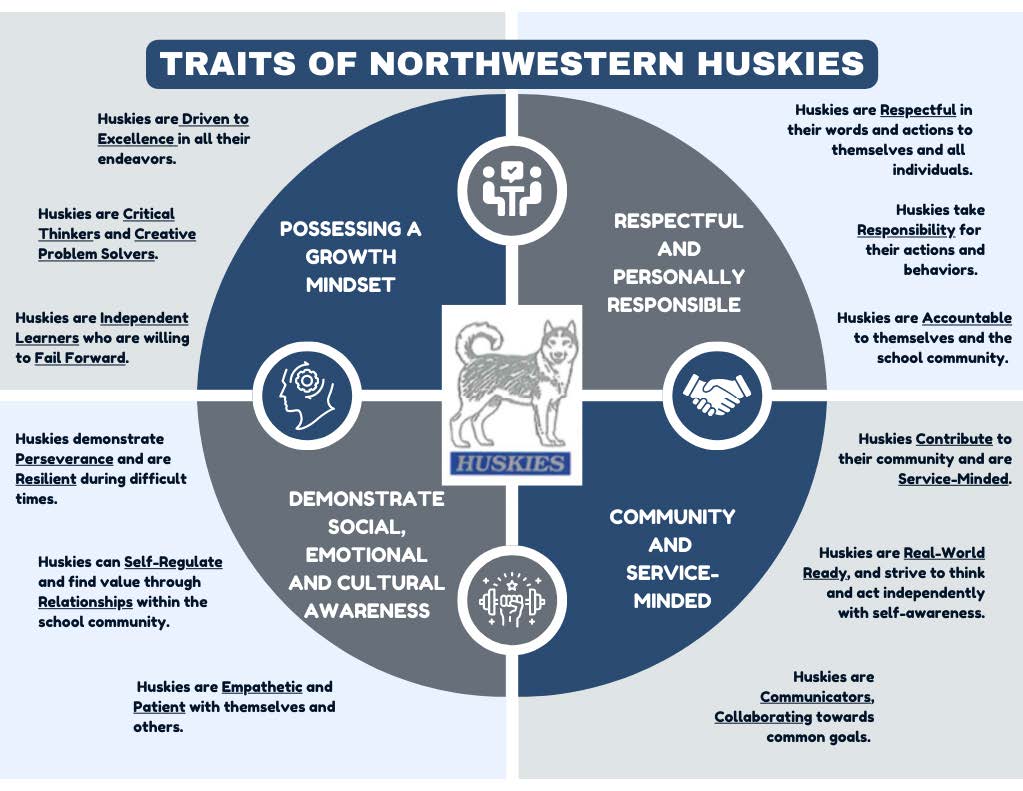
Building the Traits of Northwestern Huskies through Interscholastic Athletics |
At Northwestern, we believe that athletics is more than just competition; it’s a vital part of our students' development. Our athletics program is built on the values of teamwork, perseverance, and sportsmanship. These values are essential in nurturing not only outstanding athletes but also well-rounded individuals who excel both on and off the field. We not only want to expect excellence…we want to demand excellence of ourselves, our teammates, and our community.


Health & Safety
-
Engaging in outdoor athletics in high heat can be challenging and potentially dangerous. Here are some important tips to ensure safety:
- Drink Water Regularly: Drink water before, during, and after physical activity. Aim to drink at least 8 ounces of water every 20 minutes during exercise.
- Electrolyte Balance: Consider sports drinks that contain electrolytes to replace sodium, potassium, and other minerals lost through sweat.
- Light-Colored Clothing: Wear light-colored, loose-fitting, and lightweight clothing to reflect the sun’s rays.
- Moisture-Wicking Fabrics: Choose clothing made from moisture-wicking materials to help keep your body cool and dry.
- Sunscreen: Apply a broad-spectrum sunscreen with at least SPF 30 to all exposed skin, and reapply every two hours or more frequently if sweating.
- Intensity: Lower the intensity of your workout or take more frequent breaks to avoid overheating.
- Gradual Exposure: Gradually increase the duration and intensity of your workouts over a period of 1-2 weeks to help your body adjust to the heat.
- Shaded Areas: Whenever possible, choose shaded areas for your workout to reduce sun exposure.
- Avoid Concrete and Asphalt: These surfaces can become extremely hot and radiate heat, increasing your risk of overheating.
- Cold Packs: Use cold packs or wet towels on your neck, wrists, and forehead to cool down quickly after exercise.
- Cool Showers: Take a cool shower or bath to help lower your body temperature.
Know the Signs of Heat-Related Illnesses
- Heat Cramps: Muscle cramps, often in the legs or abdomen.
- Heat Exhaustion: Heavy sweating, weakness, cold, pale and clammy skin, fast or weak pulse, nausea or vomiting, and fainting.
- Heat Stroke: High body temperature (above 103°F), hot, red, dry or moist skin, rapid and strong pulse, possible unconsciousness. Heat stroke is a medical emergency and requires immediate attention.
- Rest When Needed: If you feel dizzy, weak, or excessively tired, stop exercising and rest in a cool place.
- Seek Medical Help: If you experience symptoms of heat stroke, seek medical help immediately.
By following these precautions, you can minimize the risks associated with exercising in high heat and enjoy your outdoor activities safely.
-